


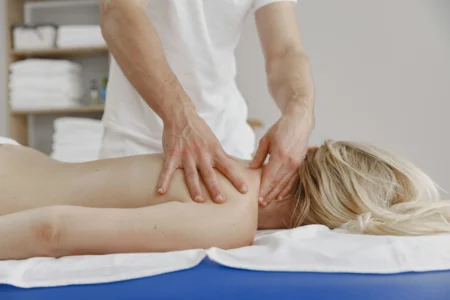
In today’s fast-paced world, muscle tension and stiffness have become common complaints for people of all ages. Whether you’re a professional athlete, office worker, or someone dealing with daily stress, understanding the benefits of massage therapy for muscle health is crucial. This comprehensive guide explores why massages are great for muscles, backed by scientific research and expert recommendations.
The Science Behind Muscle Recovery and Massage
Understanding Muscle Tension
Muscle tension occurs when muscle fibers contract and remain in a contracted state, leading to stiffness, pain, and reduced mobility. This condition can result from various factors including:
- Prolonged sitting or repetitive movements
- Physical injury or overuse
- Stress and mental tension
- Poor posture
- Lack of proper muscle recovery
- How Massage Therapy Works
Massage therapy works through several physiological mechanisms that directly benefit muscle health:
Increased Blood Circulation: Massage techniques enhance blood flow to muscle tissues, delivering essential nutrients and oxygen while removing metabolic waste products that accumulate during physical activity.
Release of Muscle Knots: Manual manipulation helps break down adhesions and trigger points that cause localized muscle stiffness and pain.
Nervous System Regulation: Massage therapy stimulates the parasympathetic nervous system, promoting relaxation and reducing stress hormones that contribute to muscle tension.
Top Benefits of Massage for Muscles
1. Enhanced Blood Circulation
Research published in the Journal of Bodywork and Movement Therapies demonstrates that massage therapy significantly improves blood circulation to muscle tissues. This enhanced circulation:
Delivers oxygen and nutrients to muscle fibers
Removes lactic acid and other metabolic byproducts
Accelerates muscle recovery after exercise
Reduces muscle fatigue and soreness
2. Reduced Muscle Tension and Pain
According to studies in the International Journal of Sports Physical Therapy, regular massage therapy effectively reduces muscle tension and chronic pain. The benefits include:
Decreased muscle spasms
Reduced inflammation
Improved range of motion
Alleviation of tension-related headaches
3. Enhanced Flexibility and Range of Motion
Massage therapy increases muscle flexibility by:
Breaking down scar tissue and adhesions
Improving joint mobility
Reducing muscle stiffness
Promoting better posture
4. Accelerated Recovery from Exercise
Athletes and fitness enthusiasts particularly benefit from massage therapy for:
Reducing Delayed Onset Muscle Soreness (DOMS)
Preventing injury through proper muscle maintenance
Improving performance through enhanced muscle function
Maintaining optimal muscle health between training sessions
Types of Massage Therapies for Muscle Health
Swedish Massage
The most common form of massage therapy, Swedish massage uses long, flowing strokes and kneading techniques to promote relaxation and improve circulation. This gentle approach is ideal for:
General muscle tension relief
Stress reduction
Beginners seeking massage therapy
Maintenance of muscle health
Deep Tissue Massage
This technique targets deeper layers of muscle and connective tissue, making it particularly effective for:
Chronic muscle tension
Sports injuries
Muscle knots and adhesions
Postural imbalances
Sports Massage
Specifically designed for athletes, sports massage combines various techniques to address:
Pre- and post-exercise muscle preparation
Injury prevention and treatment
Performance enhancement
Recovery from intense physical activity
Trigger Point Massage
This targeted approach focuses on specific points of muscle tension and pain, making it ideal for:
Treating localized muscle knots
Addressing chronic pain conditions
Improving muscle function in specific areas
Who Should Consider Regular Massage Therapy
Athletes and Active Individuals
Professional athletes and fitness enthusiasts benefit significantly from regular massage therapy. The American College of Sports Medicine recommends massage therapy as part of comprehensive athletic training programs.
Office Workers and Desk Professionals
People who spend long hours at desks often experience muscle tension due to poor posture and repetitive movements. Regular massage can:
Prevent neck and shoulder pain
Improve posture
Reduce back strain
Enhance overall comfort during work hours
Seniors and Aging Population
As we age, muscle stiffness and joint pain become more common. Massage therapy provides:
Pain relief without medications
Improved mobility
Better sleep quality
Enhanced quality of life
Individuals with Chronic Conditions
People dealing with chronic muscle conditions benefit from regular massage therapy, which can help manage symptoms and improve daily functioning.
Best Practices for Maximum Muscle Benefits
Frequency Recommendations
For optimal muscle health, consider the following frequency guidelines:
Weekly maintenance: 1-2 sessions per week for general muscle health
Pre-competition: 1-2 sessions before intense physical activity
Post-injury: As recommended by healthcare professionals
Stress management: 1-2 sessions when experiencing high stress levels
Preparation Tips
Before your massage session:
Stay hydrated
Eat a light meal 1-2 hours prior
Avoid alcohol consumption
Communicate openly with your massage therapist
Discuss any existing injuries or health conditions
Post-Massage Care
Maximize the benefits of your massage by:
Drinking plenty of water to flush out toxins
Avoiding strenuous exercise immediately after
Applying heat or cold therapy as needed
Maintaining good posture
Continuing regular stretching exercises
Scientific Evidence and Research
Multiple studies have demonstrated the effectiveness of massage therapy for muscle health:
A systematic review in the Cochrane Database found that massage therapy significantly reduces muscle pain and improves function
Research published in the Journal of Athletic Training showed that massage therapy reduces muscle inflammation and improves recovery times
Studies in the International Journal of Sports Medicine have documented the positive effects of massage on athletic performance and injury prevention
Safety Considerations and Contraindications
While massage therapy is generally safe, certain conditions may require medical consultation:
Conditions That May Require Professional Medical Advice
Blood clots or cardiovascular disease
Severe osteoporosis
Open wounds or skin infections
Recent surgeries
Certain autoimmune conditions
Pregnancy (with proper precautions)
What to Expect During Your Massage Session
Professional massage therapy should feel relaxing rather than painful. Your massage therapist should:
Communicate throughout the session
Adjust pressure according to your comfort level
Use appropriate techniques for your specific needs
Maintain professional standards and hygiene
Conclusion
Massage therapy offers significant benefits for muscle health, combining scientific evidence with therapeutic effectiveness. Whether you’re an athlete seeking performance enhancement, an office worker dealing with daily tension, or someone managing chronic muscle conditions, regular massage therapy can provide substantial relief and improvement.
The key to maximizing benefits lies in understanding the different types of massage, choosing appropriate frequency, and maintaining proper preparation and post-session care. As research continues to validate the benefits of massage therapy, it remains an essential component of comprehensive muscle health maintenance.
For optimal results, consider incorporating massage therapy into your regular wellness routine. Regular sessions can prevent minor muscle issues from developing into more serious problems, ultimately saving you from more intensive treatments and improving your overall quality of life.
References
Journal of Bodywork and Movement Therapies. “Effects of Massage Therapy on Blood Circulation”
International Journal of Sports Physical Therapy. “Massage Therapy and Chronic Pain Management”
American College of Sports Medicine. “Massage Therapy in Athletic Training Programs”
Cochrane Database of Systematic Reviews. “Massage Therapy for Muscle Pain”
Journal of Athletic Training. “Massage Therapy and Athletic Performance”
International Journal of Sports Medicine. “Massage Therapy in Sports Injury Prevention”